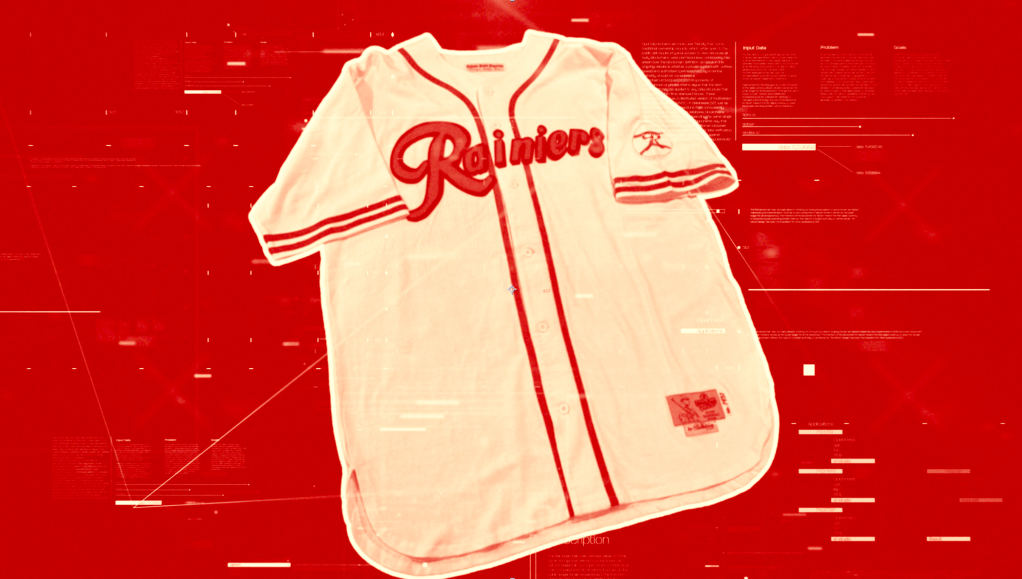
Long before Major League Baseball arrived in Seattle, the city was home to one of the most iconic minor league teams in baseball history: the Seattle Rainiers. The history of the Seattle Rainiers is a fascinating tale of resilience, success, and eventual decline. Originally formed in 1903 as the Seattle Clamdiggers, the team played in the Pacific Coast League (PCL) but faced financial hardships that forced them to fold after the 1906 season. The Rainiers’ story didn’t end there, though. In 1919, the team was resurrected and rebranded as the Seattle Indians, marking the beginning of a new chapter in Seattle Rainiers baseball history
The rise of the Seattle Rainiers truly began in 1938, when local businessman Emil Sick, owner of the Rainier Brewing Company, purchased the team. Sick renamed the franchise the “Seattle Rainiers” and immediately began investing in the team’s success. One of his most significant contributions was the construction of a state-of-the-art stadium, Sick’s Stadium, which could seat 15,000 fans. This bold move revitalized the franchise and ushered in the most successful years in Seattle Rainiers baseball history. Between the early 1940s and mid-1950s, the Rainiers captured five PCL league titles, cementing their legacy as one of the premier teams in the league.
Despite this golden era, the decline of the Seattle Rainiers began in the late 1950s. The team’s performance faltered, and attendance at Sick’s Stadium began to dwindle. In 1960, Emil Sick sold the team to the Boston Red Sox, making the Rainiers a minor league affiliate for the MLB franchise. This marked the beginning of the Seattle Rainiers’ final years, as the team’s identity was gradually overshadowed. By the mid-1960s, the franchise was sold again, this time to the Los Angeles Angels, and was renamed the Seattle Angels, marking the end of the Rainiers as Seattle’s beloved baseball team.
The rise and fall of the Seattle Rainiers coincided with Seattle’s broader ambitions to join Major League Baseball. After being rejected by both the Cleveland Indians and Kansas City Athletics as a relocation destination, the city set its sights on securing an MLB expansion team. During the 1967 MLB owners’ meetings in Mexico City, Seattle rallied support with the help of U.S. senators Henry M. “Scoop” Jackson and Warren Magnuson, whose influence played a crucial role in convincing owners to grant an expansion team. Their efforts were bolstered by Missouri Senator Stuart Symington, who pressured MLB to expand earlier than planned. This led to the announcement of four new teams for the 1969 season: two in the National League (Montreal and San Diego) and two in the American League (Kansas City and Seattle).
However, the success of Seattle’s bid hinged on addressing one major concern: the inadequacy of Sick’s Stadium. To satisfy MLB owners, Seattle promised to expand Sick’s Stadium to accommodate 30,000 fans and use it as a temporary venue until a new, modern stadium could be built. Meanwhile, the ownership group for the new franchise, Pacific Northwest Sports, Inc., was led by brothers Max and Dewey Soriano. Dewey, a former pitcher and general manager of the Rainiers, had deep ties to Seattle baseball history.
As Seattle transitioned to MLB, the city was forced to pay the PCL $1 million in compensation for the loss of the Rainiers. The Rainiers’ team collapse marked the end of an era, but it paved the way for the city’s future in professional baseball. The Seattle Rainiers legacy remains a testament to the city’s passion for baseball and its determination to carve out a place on the national stage.
By the time MLB expanded westward, the Pacific Coast League had suffered a steep decline in popularity, partly due to the arrival of Major League teams like the Dodgers and Giants in California in 1958. This diminished the prominence of PCL teams like the Seattle Rainiers, as MLB expansion signaled a shift in the baseball landscape. Throughout the 1960s, Seattle’s push for a major league team faced numerous hurdles. The Cleveland Indians considered relocating in 1964 but ultimately stayed in Cleveland. Similarly, the Kansas City Athletics briefly explored a move to Seattle in 1967 but opted for Oakland instead, further emphasizing the challenges posed by the aging and undersized Sick’s Stadium.
The Seattle Rainiers rise and fall encapsulates the dynamic evolution of baseball in the Pacific Northwest. Though the Rainiers experienced a significant decline and eventual collapse, their story remains a vital chapter in Seattle baseball history. Their achievements and challenges laid the foundation for the city’s eventual inclusion in Major League Baseball, ensuring that the legacy of the Seattle Rainiers endures.
 All Sports History
Leave a comment