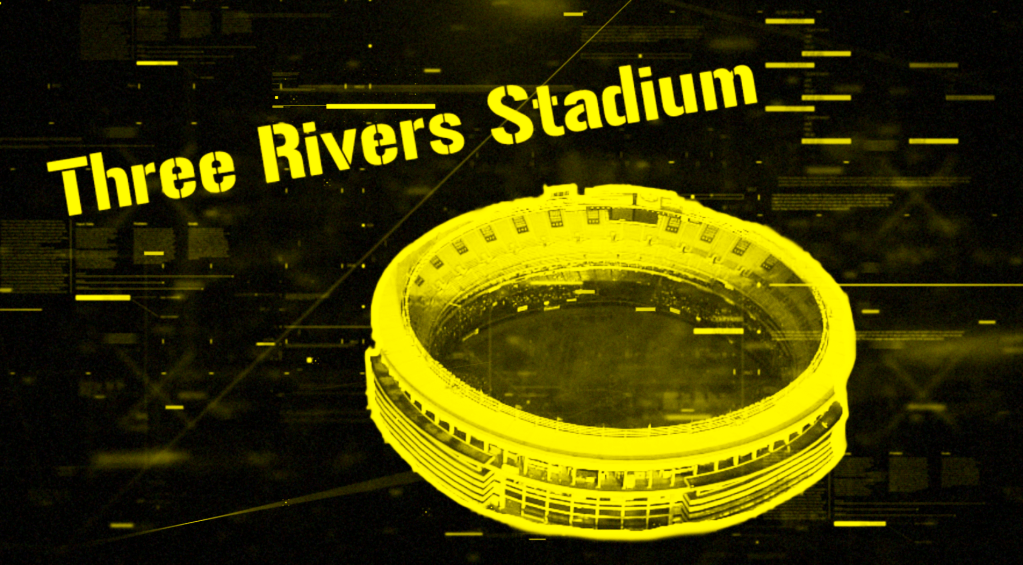
Three Rivers Stadium, a landmark of Pittsburgh’s sports heritage, stood as a testament to architectural innovation and a hub of community spirit. Home to the Pittsburgh Pirates and Pittsburgh Steelers, Three Rivers Stadium was a place where generations of fans came together to celebrate their teams, forging lasting memories that transcend time.
Planning & Development
The planning process leading up to the construction of Three Rivers Stadium was a meticulous endeavor that involved collaboration between architects, city officials, sports teams, and community stakeholders. As the Pittsburgh Pirates and Pittsburgh Steelers sought a new home, the idea of a multi-purpose stadium gained traction due to its potential to accommodate both baseball and football games, maximizing its utilization and economic impact. This concept set the stage for the design and planning of a groundbreaking sports facility that would become a cornerstone of Pittsburgh’s identity.
Architects Deeter Ritchey Sippel and Michael Baker Jr. were entrusted with translating this vision into reality. In the early stages of brainstorming the construction of Three Rivers Stadium, a novel idea emerged that envisioned the stadium being built on top of a bridge spanning the confluence of the three rivers in Pittsburgh. This innovative proposal aimed to maximize space in the urban landscape and create a unique architectural marvel that would not only serve as a sports arena but also a landmark symbolizing the city’s identity. This concept captured the imagination of city planners and architects alike, promising a seamless integration of infrastructure and entertainment.
The notion of constructing a stadium on a bridge was an ambitious one that presented both challenges and opportunities. The concept aimed to leverage the existing bridge as a foundation, potentially streamlining construction and reducing costs. This imaginative approach also promised breathtaking panoramic views of Pittsburgh’s rivers and skyline, providing spectators with an unparalleled experience. However, the engineering complexities involved in adapting a bridge for a stadium’s structural requirements, including load distribution and seating arrangement, posed significant technical obstacles that needed to be carefully addressed.
Ultimately, while the idea of a stadium on a bridge captured attention and sparked discussions, the practicalities and engineering challenges led planners to pursue an alternative path. The eventual circular design of Three Rivers Stadium emerged as a more feasible and groundbreaking solution, allowing for the creation of an iconic sports arena that became a fixture of Pittsburgh’s landscape. Although the stadium didn’t materialize atop a bridge, the early consideration of such an idea reflected the spirit of innovation and ingenuity that characterized the planning phase of Three Rivers Stadium’s development.
Construction
Three Rivers Stadium’s design at the time was a groundbreaking achievement that revolutionized the concept of multi-purpose sports venues. The stadium’s circular layout and innovative cantilevered roof set it apart from its contemporaries. The iconic cantilevered roof of Three Rivers Stadium was a defining feature of its design. Comprising multiple sections extending outward from the central support tower, the roof provided shelter for fans while maintaining an open-air feel. This innovative roofing approach shielded spectators from the unpredictable Pittsburgh weather without sacrificing the stadium’s spacious and airy atmosphere. The intersecting lines created by the roof’s structure added to the stadium’s visual appeal, becoming an architectural emblem that represented the city’s modernity and dynamism. However, as time passed, the circular shape of many multi-purpose stadiums were often criticized as “Cookie Cutter” for their basic, uniformed shape.
Construction began on the stadium in the late 1960s and was completed in 1970. The stadium was designed to house the Pittsburgh Pirates baseball team and the Pittsburgh Steelers football team, serving as a versatile hub for multiple sporting events. The stadium’s unique name was derived from the confluence of the Allegheny, Monongahela, and Ohio rivers in Pittsburgh, a fitting homage to its location. The overall completion of Three Rivers introduced innovative engineering concepts to accommodate unobstructed views for fans and to shield them from Pittsburgh’s unpredictable weather. The use of precast concrete panels and advanced roofing techniques allowed for the creation of a covered stadium without the need for internal support pillars, enhancing the spectator experience. This forward-thinking approach paved the way for modern sports venue design, influencing subsequent stadiums built across the country.
Pittsburgh Steelers
For the Pittsburgh Steelers, Three Rivers Stadium wasn’t just a sports venue; it was the hallowed ground where football legends were made and enduring memories were forged. The stadium served as the Steelers’ home turf from its opening in 1970 until its closure in 2000, marking an era of remarkable triumphs and a strong connection between the team and their passionate fan base. Three Rivers witnessed the team’s rise from mediocrity to becoming one of the most successful franchises in NFL history. It was under its iconic roof that the Steelers raised their first-ever Super Bowl banner in 1975 (after winning the championship the prior season), setting the stage for a dynasty that would go on to win four Super Bowl titles in the span of six years. The stadium’s thunderous cheers echoed as legends like Terry Bradshaw, Franco Harris, and Mean Joe Greene solidified their places in football history. The “Steel Curtain” defense became synonymous with the stadium’s imposing presence, as it showcased an impenetrable defense that struck fear into opponents.
The camaraderie between the Steelers and their fans was palpable within the confines of Three Rivers Stadium. The “Terrible Towel,” a symbol of Steelers pride, was famously waved by fans in unison, creating a sea of waving yellow towels that energized the team and became an emblem of the Steelers’ unparalleled fan loyalty. Three Rivers Stadium wasn’t just a venue; it was a sanctuary where generations of fans shared the highs and lows of their team’s journey. The stadium’s legacy lives on, etched in the hearts of Steelers fans as a place where enduring memories and unbreakable bonds were formed.
Pittsburgh Pirates
Three Rivers Stadium, was the stage upon which the Pittsburgh Pirates baseball team showcased their talents and captured the hearts of fans for over three decades. During their tenure at Three Rivers Stadium, the Pirates experienced both triumphant highs and challenging lows. The stadium bore witness to the team’s remarkable victory in the 1971 World Series, a thrilling moment that brought a championship to Pittsburgh and solidified the Pirates’ place in baseball history. The stadium’s distinctive features, including its vibrant seating arrangement and the proximity of the stands to the field, created an atmosphere where every play felt magnified, every hit electrifying, and every win jubilant.
The stadium’s unique energy and atmosphere also played host to individual achievements that left fans in awe. In 1979, Willie Stargell, a Pirates legend, led the team to another World Series championship and earned the World Series MVP award. Stargell’s prodigious power and leadership became synonymous with Three Rivers Stadium, and his contributions continue to inspire Pirates fans to this day. The stadium bore witness to countless home runs, dazzling defensive plays, and emotional moments that brought the Pirates and their dedicated fan base together, forging a bond that transcended the game itself.
Beyond the on-field accomplishments, Three Rivers Stadium also played a vital role in nurturing the Pirates’ dedicated fan base. The stadium’s picturesque location at the confluence of three rivers offered a unique backdrop for baseball, as fans cheered on their beloved Pirates against the backdrop of Pittsburgh’s skyline. The Pirates’ connection with their supporters was evident in the waving of the “Jolly Roger” flag after victories, a tradition that exemplified the unity between the team and its fans. Three Rivers Stadium stands as a monument to the Pirates’ storied history, a place where the passion for baseball flowed as freely as the rivers that embraced it.
Demolition & Legacy
The demolition of Three Rivers Stadium marked the end of an era that had seen decades of sporting triumphs and community camaraderie. The stadium’s age and evolving architectural standards led to its closure in 2000. The decision to demolish the stadium was met with mixed emotions, as it symbolized not only the passing of a historic venue but also the anticipation of new opportunities for the city of Pittsburgh. In February 2001, the process of dismantling Three Rivers Stadium began, with a controlled implosion planned to bring down the iconic structure. The demolition was carefully orchestrated to ensure safety and minimize environmental impact. As the stadium’s cantilevered roof and distinctive circular form fell, it marked the end of an era that had shaped Pittsburgh’s sports culture and left an indelible mark on the hearts of fans. The demolition also paved the way for the construction of PNC Park for the Pirates and Heinz Field for the Steelers, both modern stadiums designed to cater to the evolving needs of sports entertainment.
The demolition of Three Rivers Stadium was a poignant moment that stirred nostalgia among Pittsburgh residents and sports enthusiasts alike. While the physical structure was gone, the memories and stories forged within its walls endured. The demolition symbolized the city’s commitment to progress while acknowledging the historical significance of the stadium’s legacy. As the dust settled and the echoes of cheers faded away, Three Rivers Stadium’s memory lived on in the hearts of those who had cheered, celebrated, and formed bonds within its cherished confines.
 All Sports History
Leave a comment